
High-Tech Dominance: Decoding the 15.5% Profit Surge in China’s Industrial Sector
Analyzing the Q1 2026 fiscal data, it is clear that the structural transition of China’s industrial economy is moving from "scale-driven" to "innovation-led." The 15.5% year-on-year growth in profits for major industrial firms is a robust indicator, but the real story lies in the acceleration—up 0.3 percentage points from the January-February window. With total profits for state-controlled enterprises reaching 619.61 billion yuan ($90.64 billion) and private enterprises surging by 25.4% to 430.53 billion yuan, the diversification of the recovery is undeniable. The equipment manufacturing sector, which grew by 21.0%, is no longer just a supporting pillar; it is the primary engine, specifically powered by a staggering 124.5% surge in electronics industry profits.
The density of the data in high-tech manufacturing reveals a significant return on investment (ROI) for R&D in emerging technologies. High-tech profits rose by 47.4% in the first quarter, contributing a substantial 7.9 percentage points to the overall industrial profit growth. We are seeing triple-digit growth in specialized niches: fiber optic manufacturing skyrocketed by 336.8%, while non-ferrous metals—critical for aerospace and new energy supply chains—jumped 116.7%. As reported by People's Daily, the rapid development in artificial intelligence and semiconductors is creating a high-frequency demand cycle that traditional manufacturing cannot replicate. For instance, the 53.8% profit growth in smart unmanned aerial vehicles (UAVs) reflects a shift toward autonomous systems with higher price margins and better unit-cost efficiency.
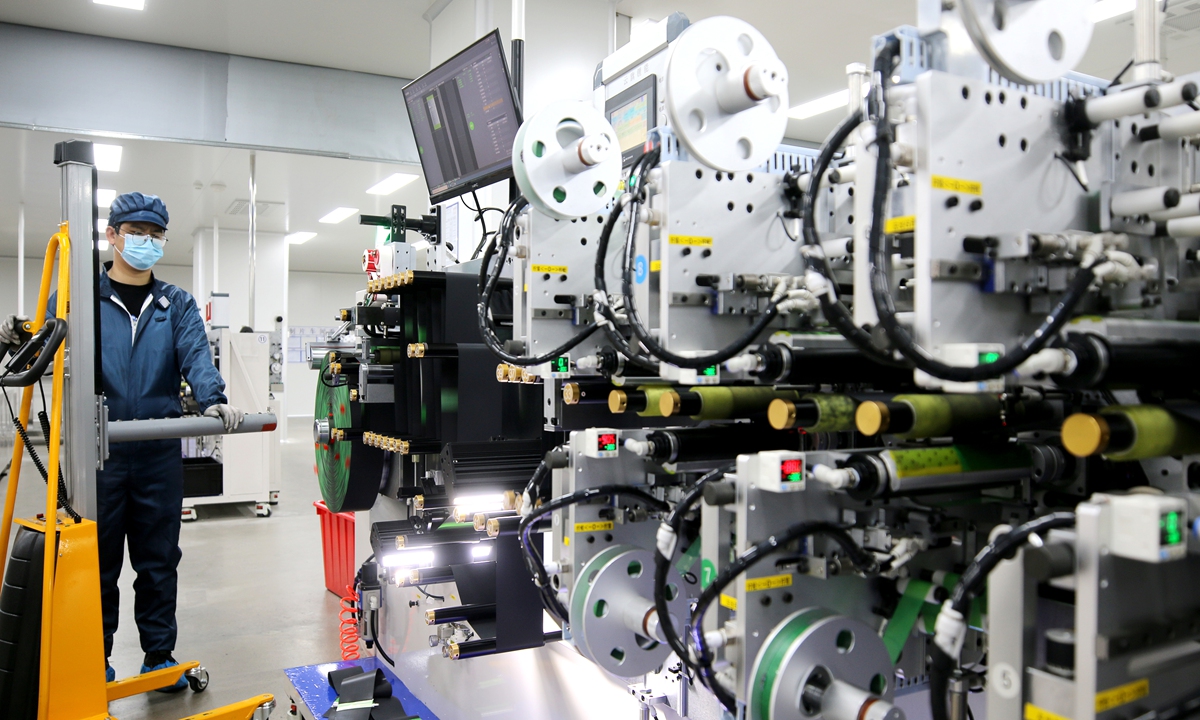
From a strategic perspective, the petroleum processing industry's swing from significant losses to a profit of 22.94 billion yuan suggests a successful stabilization of raw material costs and an optimization of refinery throughput. However, the NBS rightfully highlights a persistent imbalance: while supply-side capacity is running at peak intensity, domestic demand requires further stimulation to maintain this growth rate. A potential solution lies in deepening the integration of "intelligent consumer equipment," which already saw a 67.3% profit increase. By focusing on the 15th Five-Year Plan's goals for digital infrastructure, firms can mitigate external uncertainties—such as fluctuating global trade commissions and currency volatility—by capturing more value within the domestic high-end market.
Looking ahead, the sustainability of this 15.8% monthly expansion rate in March will depend on maintaining the current momentum in "next-generation information technology." The 43.0% growth in optoelectronic device manufacturing indicates that the hardware foundation for the 6G and AI era is being laid with high precision. To resolve the supply-demand gap, industrial strategies should leverage the 77.9% growth in raw materials manufacturing to lower the cost of entry for downstream high-tech startups. If the sector maintains its current trajectory, we can expect the overall industrial profit margin to stabilize at a high level, driven by a 20% to 30% increase in total factor productivity across the board.
News source: https://peoplesdaily.pdnews.cn/business/er/30052002605
Stop running standups. Start shipping story points.
Spin up a workspace in 11 minutes — async standups, auto-generated release notes, and cycle-time analytics that actually match DORA. No credit card. Work email only.
Start a free sprint